Water explained
pH levels in drinking water: a clear Qatar guide
Learn what drinking-water pH means and what the Almas 5-gallon label lists for pH, sodium and minerals—without confusing label values with health claims.
What a pH number actually means
A result below 7 is acidic, 7 is neutral and a result above 7 is alkaline. The number describes one property of the sample at the time and under the method used; it does not describe every mineral, microorganism or chemical in the water.
Why water operators monitor pH
pH can influence treatment performance, corrosion control, disinfection and the taste or acceptability of water. The useful operating range depends on the water system, materials and treatment process rather than on a single marketing number.
- Treatment performance
- Corrosion control
- Disinfection conditions
- Taste and acceptability
Do not use pH as a shortcut for purity
A pH reading cannot confirm that water is free from microbiological or chemical hazards. Quality assessment needs the relevant source, treatment, packaging or distribution controls and appropriate testing.
What the supplied Almas 5-gallon label lists
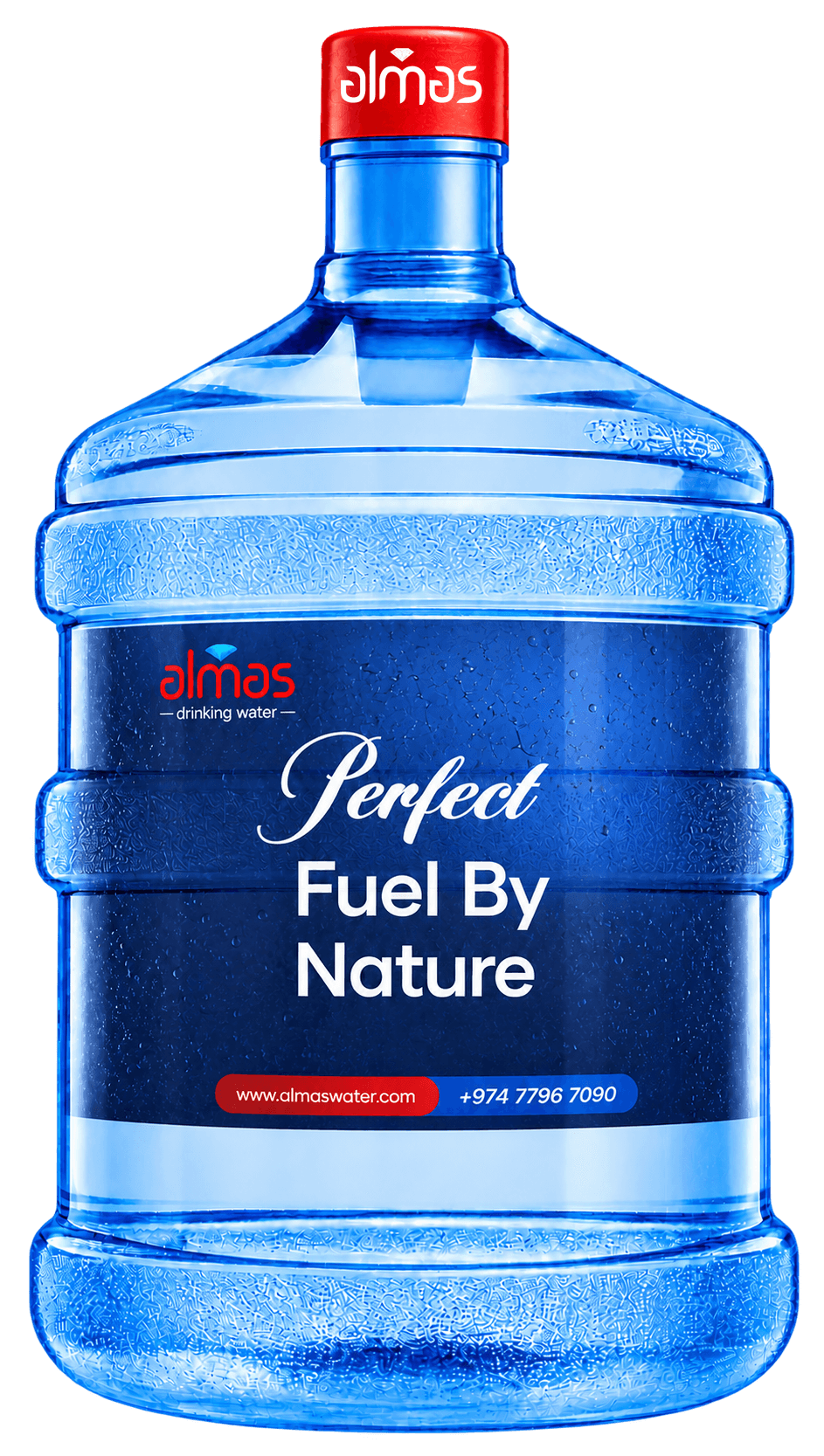
The owner-supplied photograph of the 5-gallon label lists pH 7.3, total dissolved solids (TDS) 100 mg/L, calcium 13 mg/L, magnesium 6 mg/L, sodium below 1 mg/L, potassium 1.5 mg/L, chloride 20 mg/L, sulphate 15 mg/L, bicarbonate 15 mg/L, nitrate below 0.01 mg/L and total hardness 30 mg/L.
These figures describe what is printed on that product label. They should not be presented as a test result for a specific batch, a medical benefit, or a guarantee for a different product or package. See the Almas 5-gallon water page for product and delivery information.
Primary sources
These external references support the general water-quality information in this guide.
Frequently asked
Quick answers
What is the best pH for drinking water?
There is no single pH number that proves health or purity. WHO treats pH as an important operational parameter and does not propose a health-based guideline value for it.
Does a pH above 7 make water healthier?
A pH above 7 means the water is alkaline on the pH scale. That fact alone does not establish a health benefit or complete safety profile.
Does Almas publish a guaranteed pH value?
The supplied Almas 5-gallon label lists pH 7.3. This is a label-declared figure, not a batch-specific laboratory result or a health claim.
What sodium value is printed on the Almas 5-gallon label?
The supplied 5-gallon label lists sodium below 1 mg/L. This figure applies to the photographed label and should not be generalized to other Almas products or treated as medical advice.